Table of Contents
Bayazid Ansari (Pir Roshan): Religious Thought, Writing and the Roshania Movement
Introduction
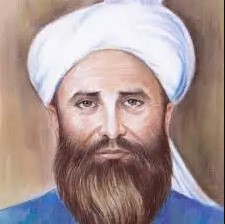
Bayazid Ansari, widely known as Pir Roshan, was a sixteenth-century religious thinker and the founder of the Roshania movement. He occupies an important but contested place in the intellectual and religious history of the Pashtun region. His legacy is closely associated with Khayr al-Bayan, an early work linked to the development of written Pashto prose, and with a movement that challenged established religious and political authorities.
Life and Historical Background
Bayazid was born around 1525, traditionally associated with Jalandhar in the Punjab region, into a family whose roots were connected with Kaniguram in present-day Waziristan. He lived during a period of political change and expanding Mughal power. Religious teaching, local authority, tribal relationships and imperial politics frequently intersected during this era.
Bayazid developed a religious and spiritual message that attracted followers across parts of the Pashtun region. His supporters came to know him as Pir Roshan, commonly translated as “the enlightened guide” or “the luminous spiritual master.” His movement became known as the Roshania movement.
Khayr al-Bayan and Pashto Writing
Khayr al-Bayan is one of the most significant works associated with Bayazid Ansari. It is commonly described as an early surviving Pashto prose text, incorporating religious instruction and ethical reflection. The work is associated with multilingual intellectual traditions, including Pashto, Persian and Arabic.
Its significance lies partly in the use of Pashto to communicate complex religious and intellectual ideas. At a time when Persian and Arabic were prominent languages of scholarship, writing in Pashto helped make religious discourse accessible to local audiences and strengthened the language’s place in written intellectual culture.
The textual history requires care. Scholars have discussed the surviving manuscript tradition and whether the extant version exactly reproduces Bayazid’s original work. It is therefore best to describe Khayr al-Bayan as a work associated with Bayazid and the Roshania tradition rather than assume that every surviving manuscript is an untouched original.
The Roshania Movement
The Roshania movement was more than a literary phenomenon. It developed a religious following and became involved in conflicts with established authorities. Its teachings and Bayazid’s claims to spiritual leadership attracted both committed supporters and powerful opponents.
The movement’s relationship with the Mughal Empire became especially contentious. Its political and military resistance contributed to its historical importance, although it would be misleading to reduce its entire religious and intellectual character to armed conflict alone.
Conflict with Akhund Darweza
A major opponent of Bayazid was Akhund Darweza, a religious scholar who defended orthodox interpretations of Islam and wrote against Roshania teachings. Their opposition illustrates the competing religious positions of the period. The surviving accounts were often produced by participants or opponents, so their descriptions must be read critically rather than treated as neutral reports.
This disagreement is an important episode in Pashto intellectual history: it helped shape religious prose, argument and the development of written Pashto as a medium for expressing competing ideas.
Legacy
Bayazid Ansari’s place in Pashto history rests on several connected contributions. He helped establish a distinctive religious and literary tradition, is associated with an important early Pashto text, and became the central figure in a movement that challenged established authority. His legacy remains significant for understanding the relationship between language, religion, political power and identity in the Pashtun region.
Conclusion
Bayazid Ansari, or Pir Roshan, was a consequential religious thinker whose influence extended beyond his own lifetime. Khayr al-Bayan remains important in discussions of early Pashto prose, while the Roshania movement provides insight into the religious and political debates of the sixteenth century. A balanced account should recognise his historical importance while acknowledging the complexity of the sources and the controversies surrounding his teachings.
Further reading: UNESCO, “Literature in Pashto”; South Asian Studies research on Khayr al-Bayan.
بایزید انصاري (پیر روښان): دیني فکر، لیکنې او د روښانیانو غورځنګ
سریزه
بایزید انصاري، چې په پیر روښان مشهور دی، د شپاړسمې پېړۍ یو مهم دیني مفکر او د روښانیانو د غورځنګ بنسټګر و. د پښتنو د سیمې په دیني، فکري او سیاسي تاریخ کې ځانګړی ځای لري، خو د هغه د نظریاتو په اړه تاریخي اختلافونه هم شته. نوم یې په ځانګړي ډول له خیرالبیان سره تړلی دی؛ دا اثر د پښتو د لومړنیو لیکل شویو نثري متونو له ډلې ګڼل کېږي.
ژوند او تاریخي چاپېریال
بایزید انصاري شاوخوا په ۱۵۲۵ کال کې زېږېدلی ګڼل کېږي. د هغه د زېږېدو ځای په دودیزو روایتونو کې د پنجاب جالندهر ښودل شوی، په داسې حال کې چې د کورنۍ ریښې یې له اوسني وزیرستان سره تړل کېږي. هغه په داسې زمانه کې ژوند کاوه چې د مغولي واک پراختیا، سیمهییزې مشرتابه، دیني ښوونې او قبیلوي اړیکې له یو بل سره نږدې تړلې وې.
بایزید یو دیني او روحاني پیغام وړاندې کړ چې د پښتنو په بېلابېلو سیمو کې یې پلویان پیدا کړل. پلویانو یې هغه ته د «پیر روښان» نوم ورکړ، چې د رڼا او روښانتیا له مفهوم سره تړاو لري. د ده د لارویانو غورځنګ د روښانیانو د غورځنګ په نوم وپېژندل شو.
خیرالبیان او د پښتو لیکلې ژبې وده
خیرالبیان د بایزید انصاري له نوم سره تړلی یو مهم اثر دی. دا اثر د پښتو د لومړنیو پاتې شویو نثري متونو له ډلې ګڼل کېږي او دیني لارښوونې او اخلاقي فکرونه پکې شامل دي. د دې اثر د ژبې او فکري چاپېریال په اړه د پښتو، فارسي او عربي علمي دودونو یادونه کېږي.
د خیرالبیان اهمیت یوازې په دیني محتوا کې نه دی؛ بلکې په دې کې هم دی چې پښتو ژبه یې د پېچلو دیني او فکري موضوعاتو د بیان لپاره کارولې ده. په داسې وخت کې چې فارسي او عربي د علمي لیکنو مهمې ژبې وې، په پښتو لیکل د سیمې خلکو ته د دیني مفاهیمو د وړاندې کولو یوه مهمه وسیله وه.
د دې اثر د لاسوندونو او متن د تاریخ په اړه علمي بحثونه شته. څېړونکو دا پوښتنه هم څېړلې چې اوسنی پاتې شوی متن تر کومه بریده د بایزید له اصلي لیکنې سره برابر دی. له همدې امله، غوره ده چې خیرالبیان د بایزید او د روښانیانو له فکري دود سره تړلی اثر وبولو، نه دا چې د هرې موجودې نسخې د اصلي او بېبدلونه متن ادعا وکړو.
د روښانیانو غورځنګ
د روښانیانو غورځنګ یوازې ادبي فعالیت نه و. دې غورځنګ دیني پلویان پیدا کړل او له موجودو دیني او سیاسي واکمنو سره یې مخالفتونه رامنځته شول. د بایزید د روحاني مشرتابه او د هغه د نظریاتو په اړه د خلکو غبرګونونه بېلابېل وو؛ ځینو یې ملاتړ کاوه او ځینو سخت مخالفت ورسره درلود.
له مغولي واکمنۍ سره د روښانیانو شخړې د دې غورځنګ تاریخي اهمیت نور هم زیات کړ. خو د دې غورځنګ ټول دیني او فکري اړخونه یوازې په جګړو او سیاسي مقاومت پورې محدودول سم نه دي.
له اخوند دروېزه سره فکري مخالفت
اخوند دروېزه د بایزید انصاري له مهمو مخالفانو څخه و. هغه د اسلام له دودیزو دیني تفسیرونو دفاع کوله او د روښانیانو د نظریاتو پر ضد یې لیکنې کولې. د دواړو ترمنځ اختلاف د هغه وخت د دیني او فکري بحثونو یوه مهمه بېلګه ده.
د دې دورې ډېر روایتونه د غورځنګ د پلویانو یا مخالفانو له خوا لیکل شوي دي؛ له همدې امله باید د هغوی خبرې په انتقادي نظر وڅېړل شي. د روښانیانو او اخوند دروېزه ترمنځ اختلاف د پښتو د دیني نثر، استدلال او فکري لیکنو په تاریخ کې مهم ځای لري.
تاریخي میراث
بایزید انصاري د پښتو تاریخ ته په څو اړخونو کې اهمیت لري: د یوه ځانګړي دیني او فکري دود د بنسټګر په توګه، له خیرالبیان سره د تړلي لیکوال په توګه، او د داسې غورځنګ د مشر په توګه چې له موجودو دیني او سیاسي واکونو سره یې مخالفت وکړ. د هغه تاریخ د ژبې، دین، سیاسي واک او سیمهییز هویت ترمنځ اړیکې روښانوي.
پایله
بایزید انصاري یا پیر روښان د پښتنو د سیمې په دیني او فکري تاریخ کې اغېزناک شخصیت و. خیرالبیان د پښتو د لومړني نثر په اړه د بحثونو مهم اثر دی، او د روښانیانو غورځنګ د شپاړسمې پېړۍ د دیني او سیاسي اختلافونو د پوهېدو لپاره ارزښت لري. د هغه په اړه متوازن بحث باید تاریخي اهمیت یې ومني او په عین وخت کې د سرچینو پېچلتیا او د نظریاتو په اړه موجود اختلافونه هم په پام کې ونیسي.
د پښتو روښاني تحریک
روښاني تحریک، چې د پښتو ادب او اسلامي روحانیاتو په تاریخ کې یو مهم فصل ګڼل کېږي، د 16مې پېړۍ په نیمایي کې د پښتون صوفي شاعر، عالم، او د تصوف یوه وتلې څېره، بایزید روښان (1525-1585م) لخوا پیل شو. دا تحریک د روحانیت، اصلاح، او د ظلم پر وړاندې د مقاومت یوه مهمه برخه وه، چې د پښتو ژبې د ودې او پراختیا لپاره یې هم ځانګړی رول درلود.
بایزید روښان او د تحریک بنسټ
بایزید روښان، چې د “پیر روښان” په نوم هم یادېږي، د اورکزو پښتنو د یوې صوفي کورنۍ غړی و. هغه د خپل وخت د سیاسي او مذهبي ناخوالو پر وړاندې د اصلاحاتو او روحاني ودې پیغام وړاندی کړ. بایزید په خپل تحریک کې د اسلام د روحاني اړخونو، لکه تصوف، عرفان، او د ځان اصلاح، ټینګار کاوه. د ده د فلسفې اساسي ټکیان د عدل، انصاف، برابري، او د ظلم ختمول وو.
د روښاني تحریک موخې
د ظلم او استبداد پر وړاندې مبارزه: بایزید او د هغه ملګرو د مغولي واکمنانو او ځینو ځایي ظالمو حکمرانانو پر وړاندې مقاومت وکړ.
د پښتو ژبې ودې ته وده ورکول: بایزید او د هغه پیروانو پښتو ژبه د تصوف او اسلامي علومو د زده کړې وسیله وګرځوله.
روحاني اصلاحات: د ځان پیژندنه، د خدای سره نږدېوالی، او د ناپاکۍ څخه د ځان پاکول د دې تحریک اساسي اصول وو.
د روښاني تحریک ادبي ونډه
روښاني تحریک د پښتو ادب په وده کې مهم رول درلود. بایزید روښان خپل مهم کتاب “خیرالبيان” په څلورو ژبو (پښتو، فارسي، عربي، او هندکو) ولیکه. دا کتاب د هغه د فلسفې او تعلیمي اصولو څرګندونه کوي. همدارنګه، د دې تحریک ملګرو، لکه اخوند دروېزه، د پښتو ژبې له لارې خپل فکرونه بیان کړل، چې دې چارې د پښتو ادب بنسټ پیاوړی کړ.
د روښاني تحریک سیاسي اړخ
دا تحریک یوازې مذهبي یا روحاني نه و، بلکې یو سیاسي غورځنګ هم و، چې د مغولي واکمنۍ پر وړاندې یې د پښتنو د خپلواکۍ غوښتنې لپاره مبارزه وکړه. د دې تحریک یوه ځانګړتیا دا وه چې د ظلم او استبداد پر وړاندې یې ولسي مبارزه وکړه او خلک یې د خپلو حقوقو لپاره راویښ کړل.
د روښاني تحریک مخالفت
د روښاني تحریک د پرمختګ پر وړاندې ډېرې ستونزې وې. د مغولي واکمنانو ترڅنګ، ځینو مذهبي عالمانو هم د دې تحریک مخالفت وکړ، چې تر ټولو مهم یې اخوند دروېزه و. اخوند دروېزه د بایزید روښان په عقایدو نیوکې وکړې او د هغه مخالفت یې وکړ، چې دا اختلاف د پښتنو په دیني او فکري ژوند کې ژورې اغېزې پرېښودې.
د روښاني تحریک اغېزې
د پښتو ادب پراختیا: روښاني تحریک پښتو ته د علمي او ادبي ژبې حیثیت ورکړ.
د تصوف دود: د بایزید روښان تعلیمات د تصوف په برخه کې مهم ځای لري.
سیاسي شعور: د مغولو پر وړاندې مبارزه د پښتنو د سیاسي شعور د راویښولو لامل شوه.
پایله
د روښاني تحریک د پښتو ادب، تصوف، او سیاسي مبارزې په تاریخ کې ځانګړی ځای لري. دا تحریک نه یوازې د ظلم او استبداد پر وړاندې د مبارزې سمبول و، بلکې د پښتو ژبې او ادب د ودې لپاره یې تلپاتې ونډه وکړه. د بایزید روښان پیغام، چې د خدای سره نږدېوالي، انصاف، او د ظلم پر وړاندې مقاومت پر بنسټ ولاړ و، تر نن ورځې پورې د ارزښت وړ دی.